
Melbourne nightclub runs without public liability cover after premiums surge and insurers walk away
A small venue with a big community footprint
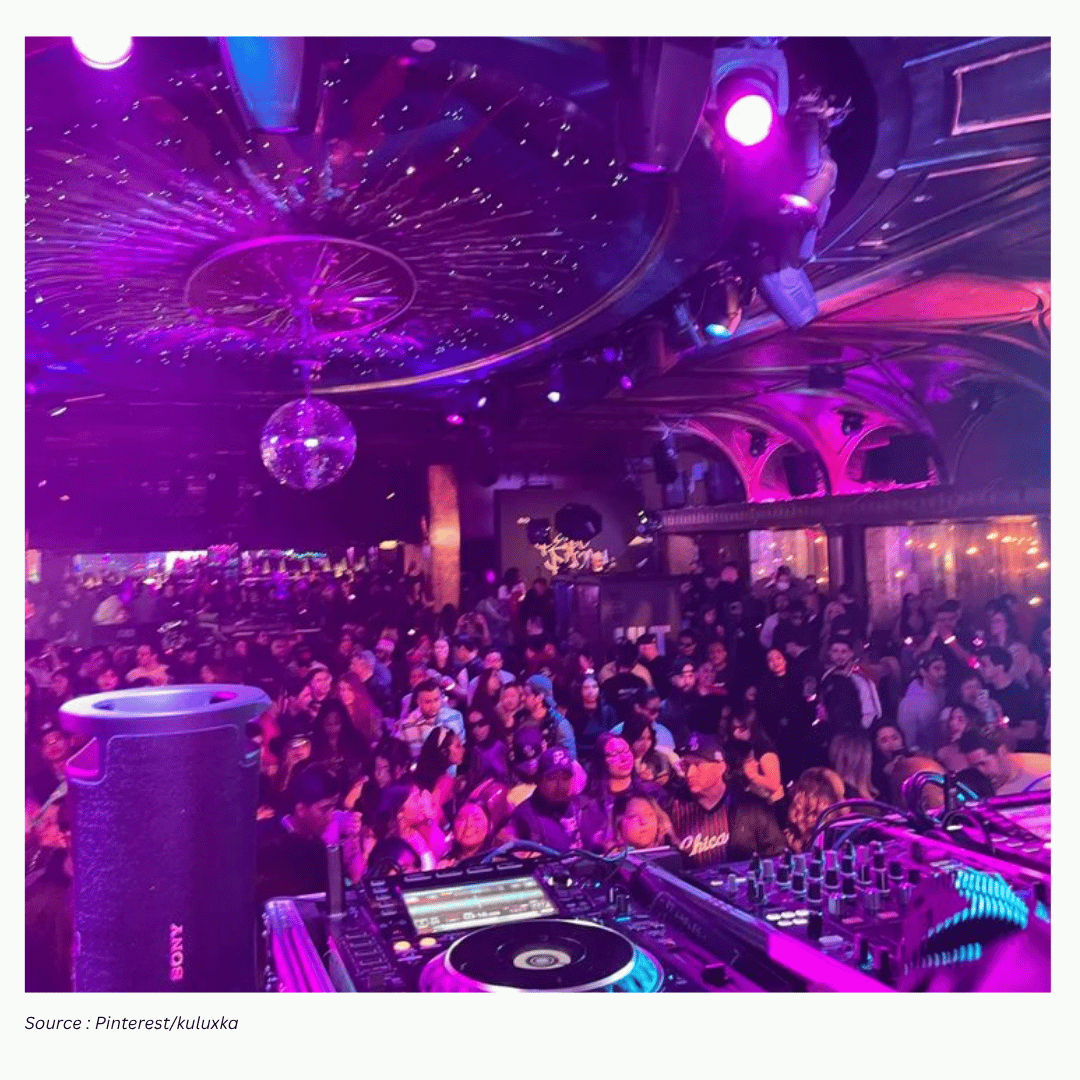
Above a Vietnamese supermarket in Melbourne’s inner west sits Pride of our Footscray, a nightclub that has spent years building a loyal following. Since opening in 2018, the venue has developed a reputation among patrons and performers as a welcoming and safe place to gather, particularly for members of the LGBTQIA+ community.
Owner Mat O’Keefe describes the crowd as a mix of identities and backgrounds, and says the venue draws people from across Melbourne and beyond. The club has capacity for about 200 patrons and runs a varied program that includes poetry, bands, queer film nights, art classes, speed dating, comedy and trivia. It is best known for its drag performances, which have become a defining part of its identity.
The business structure reflects the community ethos. O’Keefe holds a 50 per cent share, while 199 other people own smaller stakes. He has described it as a cooperative-style effort, built through the contributions of around 200 people.
For performers like HollyPop, who works full-time as a drag queen and has been at the venue for four years, the club is not just a stage but a source of livelihood and creative opportunity. She says the venue has helped her reach audiences she would not otherwise have accessed, and that her work is tied closely to the survival of spaces like it.
Two years operating without public liability insurance
Despite its strong community support and a track record that includes no claims, Pride of our Footscray has operated for two years without public liability insurance. The decision was not presented as a preference, but as a response to escalating premiums and an inability to secure cover through the usual market channels.
Public liability insurance is widely viewed as a key safeguard for businesses that host members of the public, including nightclubs. Without it, a single incident—such as a patron injuring themselves and pursuing compensation—could create costs large enough to threaten a business’s survival.
At Pride of our Footscray, the absence of cover has changed the day-to-day atmosphere. Venue manager Monique Anderson says the possibility of an accident and subsequent claim keeps staff “on tenterhooks”. The venue employs three security guards and places a strong emphasis on quickly addressing hazards such as spills, with staff moving promptly to mop floors and reduce the risk of slips.
Premiums that rose from manageable to prohibitive
The venue’s insurance challenges did not emerge overnight. In its early years, Pride of our Footscray’s public liability premium was about $1,000 per year. That figure changed markedly after the venue’s liquor licence was extended to 3am in 2020, when the premium increased to $6,270.
The most dramatic rise came later. In 2022, the premium reached $43,010. O’Keefe paid the amount, but the increase signalled a new level of pressure on the business.
In 2024, the venue’s insurance broker returned to the market seeking a new policy and approached 19 insurers. Eighteen declined to offer insurance at any price. One insurer did provide an offer, but the premium was $142,890—an amount O’Keefe said would have cost him a total of $157,179 once the cost of a loan to pay it was factored in. He said that level of expense would have ended the business.
With no viable option, the venue stopped paying public liability insurance. O’Keefe’s landlord was sympathetic and allowed the nightclub to continue operating without the cover, a situation that has now lasted for two years and which O’Keefe describes as “extremely stressful”.
Building insurance complications add another layer of risk
The venue’s insurance difficulties have not been limited to public liability. In 2023, the landlord’s insurer, WFI Insurance, refused to renew the building’s insurance policy. The insurer said it does not insure buildings in which nightclubs operate due to “heightened risk exposures”, including fire and electrical hazards, and the potential for crowd density to impede fire response.
The landlord later found a new building insurer, but Pride of our Footscray pays the lion’s share of that cost. For a small venue already grappling with public liability issues, the added burden of higher building insurance costs has compounded the sense of uncertainty.
At one point, an insurer told Pride of our Footscray it would only renew building insurance if the nightclub shut at midnight and patrons remained seated—conditions that underscore how insurers can seek to reduce perceived risk by limiting operating hours and altering how venues function.
A wider market problem for higher-risk venues
Pride of our Footscray’s experience sits within a broader pattern of insurance pressure on entertainment venues. Sky-high premium hikes have been documented for other similar-sized venues in Melbourne, including Cherry Bar in the CBD and Fitzroy venues Yah Yah’s and The Old Bar. For operators, these rising costs can create a dilemma: accept premiums that may be financially unsustainable, or operate without cover and carry the risk of a major claim.
The Insurance Council of Australia (ICA) has pointed to rising claims costs and higher legal fees as key drivers behind increasing premiums. The ICA has also said rising costs are hitting hardest in higher-risk industries such as live music venues, festival operators, caravan parks and amusement venues, and that outdated laws are putting cover further out of reach.
Federal inquiry hears calls for reform and a government scheme
The federal government has been running hearings for an inquiry into small business insurance, taking submissions from insurers, businesses and other stakeholders. Pride of our Footscray has detailed its insurance difficulties to the inquiry and has called for a government insurance scheme.
From the live music sector, the Australian Live Music Business Council has argued that a small number of large claims during the COVID years wiped out the premium pool in the entertainment industry and removed profitability for underwriters. Board member Andrew Bassingthwaighte said the industry response has effectively been to treat the sector as too risky and to leave the market.
The council has also told the inquiry it wants rules for compensation claims strengthened. Among the changes it supports is an expectation that patrons should have to tell a venue if they are injured straight after it happens. It has also co-created an app intended to help venues document safety measures and present themselves to insurers in the best possible way.
Risk management in practice: how venues try to prevent incidents
For venues operating under pressure, safety is not only a duty of care but a practical necessity. Pride of our Footscray’s approach—security presence and rapid cleanup of spills—reflects the reality that without public liability cover, the financial consequences of an incident could be severe.
The new app referenced by the Australian Live Music Business Council, called FM Track, is designed to help venue managers mitigate injury risk. While tools like this are not presented as a guarantee of lower premiums or easier access to cover, they reflect an industry push to demonstrate proactive risk controls at a time when insurers are increasingly selective.
The role of brokers and the cost of commissions
Entertainment venues generally apply for insurance through a broker, and Pride of our Footscray’s search for cover has followed that route. The 2024 attempt to secure a new policy—19 insurers approached, 18 refusals—illustrates how limited the market can become for certain businesses.
More recently, O’Keefe was invited to submit an application by a newer brokerage, Luma Insurance Brokers, which launched in 2025. The company has 120 clients, about half of them music venues. It said it had not yet provided a quote to Pride of our Footscray but expected it could source one for less than $50,000.
Luma broker David Grainger has argued that many brokers typically build a 10 to 30 per cent commission into insurance premiums, whereas his company charges a fixed hourly rate. He contends this can create a structural incentive problem, suggesting that the person tasked with securing the best insurance deal may be financially rewarded when premiums are higher.
O’Keefe, however, recalled the cost breakdown from the $142,890 quote obtained through his broker in 2024 and said the commission in that case appeared fair at about 10 per cent. The exchange highlights a broader tension in the insurance process: venues need expert help navigating a difficult market, but they also scrutinise how costs are constructed when premiums rise beyond what seems reasonable.
What closure would mean for patrons and performers
The threat of closure—raised when premiums reached levels the business could not absorb—has weighed on staff and regulars. For some patrons, Pride of our Footscray is described as more than a night out. Venue regular Marzy Malyss has called it an institution and said it is one of the only gay venues in Melbourne’s western suburbs, making it particularly important for the queer community in that part of the city.
O’Keefe has also said he has heard anecdotally that the venue has provided the first night out for some trans people, who come after hearing it is friendly and welcoming. Manager Monique Anderson has suggested that if the venue closed, some patrons would not simply move on to another nightlife option; they might not go anywhere else.
For performers, the stakes are economic as well as cultural. HollyPop says that without venues like Pride of our Footscray she would lose income and spaces to perform, underlining how insurance availability can indirectly affect the broader creative ecosystem that relies on live events.
A case study in how insurance shapes nightlife
Pride of our Footscray’s situation shows how insurance is not a background administrative detail for hospitality and entertainment businesses, but a factor that can determine whether a venue can keep its doors open. From a premium of $1,000 a year to quotes exceeding $140,000, the venue’s experience demonstrates the scale of change that some operators say they have faced in a relatively short period.
It also illustrates the complexity of the issue. Insurers cite rising claims costs and legal fees. Industry representatives point to the impact of large claims during the COVID period and argue for changes to compensation claim rules. Venues, meanwhile, are left balancing safety obligations, financial viability and the expectations of communities that rely on them.
As the federal inquiry continues to examine small business insurance, Pride of our Footscray’s story stands as a detailed example of what can happen when cover becomes unavailable or unaffordable. For now, the venue continues operating, supported by a landlord willing to accommodate the unusual arrangement, staff working under heightened vigilance, and a community that sees the space as worth protecting.
Key figures and developments mentioned in the venue’s insurance journey
- 2018: Pride of our Footscray opens and builds a community-focused program of events.
- Early years: Public liability insurance premium is about $1,000 per year.
- 2020: Liquor licence extended to 3am; premium rises to $6,270.
- 2022: Premium increases to $43,010, which the owner pays.
- 2024: Broker approaches 19 insurers; 18 decline to offer cover at any price; one quote arrives at $142,890.
- Past two years: Venue operates without public liability insurance, describing the period as highly stressful.
- 2023: Building insurer refuses renewal, citing nightclub-related risk exposures; a new insurer is later found, with the venue paying most of the cost.
- 2025: A newer broker says it expects it may be able to source cover for less than $50,000, though no quote has yet been provided.