
7 Reasons Car Insurance Matters for Drivers and Vehicle Owners
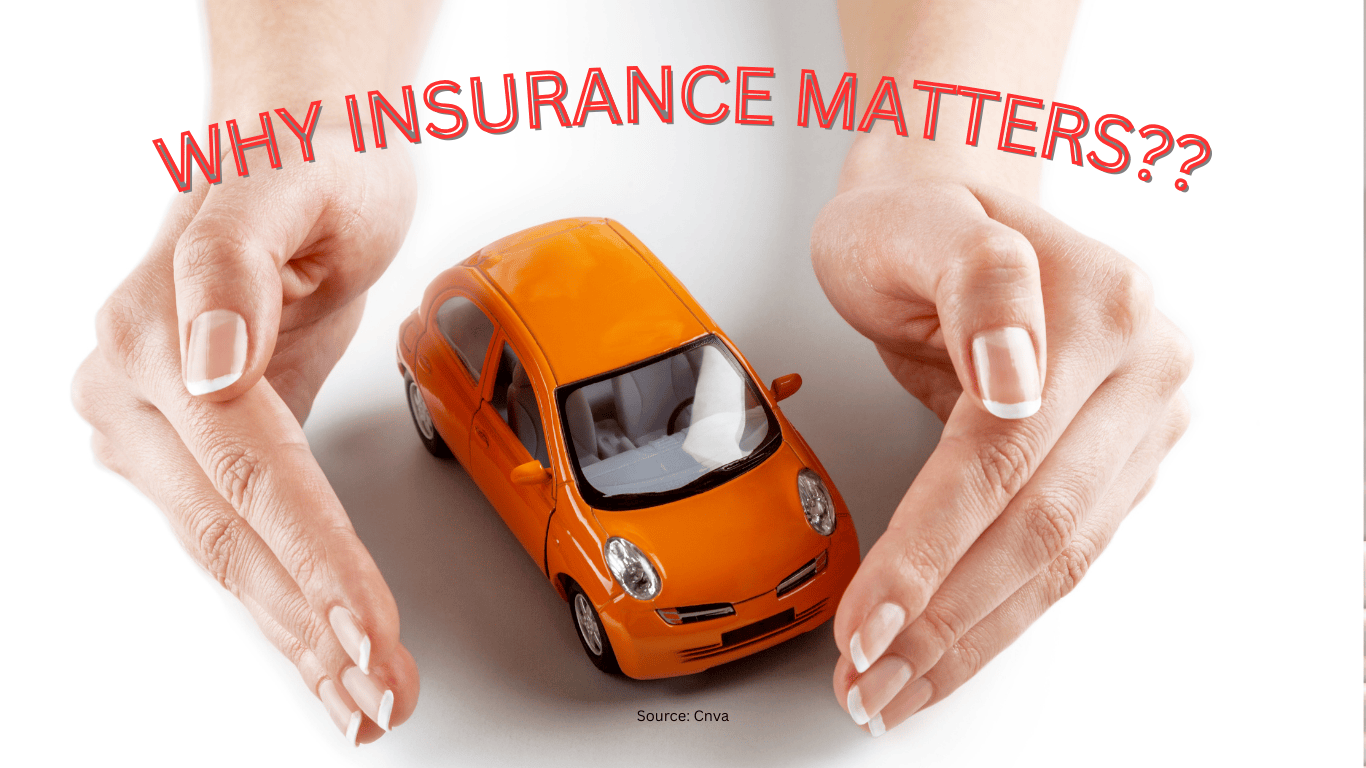
Why car insurance is important
Car insurance plays a central role in responsible vehicle ownership. At its core, it exists to make sure drivers can meet the costs of damage or injury they may cause to other people in an accident. That legal requirement matters because road incidents can create expenses that are far beyond what most individuals can comfortably pay out of pocket. Insurance is designed to reduce the risk that an accident becomes a long-term financial crisis.
Just as importantly, car insurance can protect the policyholder from significant financial losses. Even a relatively minor incident can lead to repair bills, administrative costs, and other unexpected expenses. A more serious accident can involve larger repair costs and liabilities. Insurance helps create a financial safety net so that a single event does not undermine personal savings or disrupt day-to-day finances.
Beyond legal compliance and basic accident protection, many policies can include additional services and broader coverage options. These can address risks such as theft, natural disasters, vandalism, and third-party liabilities. Some policies also include practical support such as roadside assistance and access to repair networks that may speed up the process of getting a vehicle back on the road.
Understanding what car insurance does, how claims should be handled, and how to compare policies can help drivers select coverage that matches their circumstances. The following sections outline seven key reasons car insurance matters, along with guidance on choosing and adjusting a policy.
1) It helps meet legal requirements and protects other road users
One of the most straightforward reasons car insurance is important is that it is legally required. The purpose of this requirement is to ensure drivers can cover the costs of damages or injuries they may cause to others in accidents. Without insurance, an at-fault driver could struggle to pay for the consequences of an incident, leaving affected parties without adequate compensation and potentially leading to prolonged disputes.
Legal requirements are not only about compliance; they reflect the shared reality that driving involves risk. Insurance helps create a system where third parties have a clearer path to recovering costs when they are harmed. For drivers, meeting legal requirements also supports peace of mind: you know you have a mechanism in place to respond financially if you cause damage or injury.
2) It reduces the chance of major out-of-pocket losses after an accident
Accidents can happen even to careful drivers. When they do, the financial consequences can be immediate. Repair costs can be substantial, and in some cases, expenses extend beyond the vehicle itself. Car insurance is designed to protect individuals from significant financial losses by covering costs that might otherwise need to be paid directly by the driver.
This protection is especially valuable because accident-related costs are often unpredictable. A driver may not know in advance whether an incident will result in minor cosmetic damage or more extensive repairs. Insurance provides a structured way to handle these costs, helping to safeguard personal finances against unexpected bills.
Financial security is a key theme in car insurance. By shifting certain risks to an insurer, drivers can plan their budgets with more confidence, knowing that a covered incident is less likely to create sudden, unmanageable expenses.
3) It can cover repair costs and support quicker repairs through trusted networks
For many vehicle owners, one of the most tangible benefits of car insurance is help with repair costs. After an accident or damage event, repairs can be expensive and time-consuming. Insurance can reduce the financial burden of restoring a vehicle, allowing owners to focus on getting back to normal routines.
Some policies may also provide faster repair services through trusted networks. This can be a practical advantage: rather than searching for repair options alone, a policyholder may be able to use established channels that streamline the process. While the specific experience can vary by insurer and policy, the general point remains that insurance can offer not only financial help but also logistical support.
When evaluating policies, it is worth considering how repairs are handled and what support is available. The ability to access a trusted repair network or receive faster service can be an important part of overall value, particularly for drivers who rely heavily on their vehicle for daily responsibilities.
4) It offers protection against theft and other non-collision risks
Car insurance is not limited to collisions. In addition to covering repair costs from accidents, it can offer financial protection against theft. Vehicle theft can create immediate financial strain, particularly if a car is essential for commuting or family needs. Insurance can help reduce the impact of that loss by providing coverage according to the policy terms.
Beyond theft, policies may also address other non-collision risks. These can include damage from vandalism and natural disasters. Such events may be outside a driver’s control, and their costs can be difficult to predict. Insurance is valuable in these situations because it provides a way to manage risks that are not tied to driving behavior alone.
Because different policies handle these risks in different ways, it is important to understand what your coverage includes. The goal is to ensure the protection you buy matches the risks you want to be insured against.
5) It helps manage third-party liabilities
Third-party liabilities are a major reason insurance exists. If an accident causes damage or injury to others, the resulting costs can be substantial. Car insurance can provide protection against third-party liabilities, helping the driver respond to claims in a structured way.
This matters because liability costs can extend beyond vehicle repairs. They can involve broader expenses tied to the incident. Insurance helps drivers avoid facing these costs alone, which is one reason it is considered essential for vehicle owners.
From a practical standpoint, liability protection also supports smoother resolution after an incident. When a driver has appropriate coverage, there is a clearer process for addressing damages or injuries, reducing uncertainty at an already stressful time.
6) Comprehensive coverage can protect against a wider range of events
Comprehensive insurance is often described as broad coverage. It can include damages from accidents, theft, natural disasters, and vandalism. For drivers who want more extensive protection, comprehensive coverage can provide reassurance that a wider range of scenarios are covered.
However, it is also important to recognize that certain specific incidents might require additional coverage. That is why reading your policy thoroughly is essential. Comprehensive coverage may be broad, but the details matter: what is included, what is excluded, and whether optional protections are needed for your situation.
Understanding comprehensive coverage is not only about knowing the label; it is about knowing how the policy works in real situations. The better you understand your coverage, the more effectively you can use it and the less likely you are to be surprised by limitations.
7) Policies can be adjusted as your needs change
Car insurance is not necessarily a one-time decision. Policies can be adjusted to meet changing needs. Over time, a driver’s circumstances may shift: driving habits can change, a vehicle’s situation can change, or the level of protection desired may evolve.
Insurers typically offer flexible options so policyholders can add more coverage, reduce unnecessary protection, or update a policy to reflect new circumstances. This flexibility is important because it allows drivers to maintain appropriate coverage rather than paying for protection that no longer fits or lacking coverage that has become necessary.
Reviewing your policy periodically can help ensure it remains aligned with your current situation. The ability to make adjustments is a practical benefit, supporting both financial efficiency and adequate protection.
What to do after an accident: practical steps that support a claim
Knowing what to do after an incident can make the insurance process smoother. If you are involved in an accident or a damaging event, contact your insurance provider immediately. Report the details of the incident and follow the claim procedure provided by the insurer.
Documentation is also important. Make sure to document the accident with photos and collect all necessary information from the other parties involved. These steps can help clarify what happened and support the claim process.
While the exact procedure can vary by policy and provider, the underlying principle is consistent: timely reporting and thorough documentation can help move the process forward and reduce delays.
How to compare policies and choose the right level of cover
Selecting the right car insurance is easier when you approach it as a comparison exercise rather than a quick purchase. The best way to choose the right car insurance is by evaluating your vehicle’s needs, your driving habits, and the level of coverage you want.
Start by clarifying what risks you want to be covered for. Some drivers prioritize broad protection, while others focus on meeting legal requirements and managing key liabilities. Consider whether you want coverage that extends to theft, natural disasters, vandalism, and additional services such as roadside assistance.
Comparing different policies is also a practical step. Look at what each policy includes and how it handles common scenarios. Customer reviews can provide additional context about service experiences, including how claims are handled and whether repairs are supported through trusted networks.
It can also help to consider any additional protections available. Some incidents may require extra coverage beyond what a standard policy provides. Reading the policy thoroughly is essential here, because the value of insurance depends on the details of what is actually covered.
Key benefits to look for in a policy
When comparing car insurance options, it helps to focus on benefits that align with the protections described above. Not every driver will prioritize the same features, but the following areas are commonly relevant when assessing overall value and suitability.
Coverage scope: Does the policy cover accidents, theft, natural disasters, vandalism, and third-party liabilities?
Comprehensive protection: If you choose comprehensive insurance, do you understand what it includes and whether any specific incidents require additional coverage?
Claims process: Is it clear how to report an incident, what information is required, and what steps you should follow?
Repair support: Does the policy include faster repair services through trusted networks, and how are repair costs handled?
Additional services: Are features such as roadside assistance included, and are they relevant to your driving needs?
Flexibility: Can you adjust the policy over time to add coverage, reduce unnecessary protection, or update details as circumstances change?
Why understanding your policy matters as much as buying it
Car insurance is essential for all vehicle owners because it offers protection against damages, accidents, and liabilities. Yet the effectiveness of that protection depends on understanding what you have purchased. A policy is not just a document; it is a set of terms that determines how financial security is delivered when something goes wrong.
Reading your policy thoroughly helps you understand the boundaries of coverage, including whether certain incidents may require additional protection. It also helps you know what to do in the event of an accident: contact your insurer immediately, report details accurately, and document the incident with photos and information from other parties.
Taking time to understand these factors can help optimize your vehicle’s protection. It can also reduce stress during a claim, because you are more likely to know what steps to follow and what outcomes to expect.
Conclusion: car insurance as financial security and practical support
Car insurance is not only a legal requirement; it is a practical tool for managing risk. It helps ensure drivers can cover costs they may cause to others, while also protecting policyholders from significant financial losses. It can cover repair costs, provide protection against theft and natural disasters, and address third-party liabilities. Depending on the policy, it may also include roadside assistance and faster repair services through trusted networks.
Comprehensive insurance can offer broad coverage, including accidents, theft, natural disasters, and vandalism, though it remains important to read policy details carefully because some situations may require additional coverage. Policies can also be adjusted over time, allowing drivers to update protection as needs change.
Ultimately, choosing the right car insurance is about matching coverage to your vehicle’s needs, your driving habits, and the level of protection you want. Comparing policies, reviewing customer feedback, and understanding the claims process can help ensure your insurance supports you effectively when you need it most.