
Other Insurance

Queensland smoke alarm deadline nears as estimates suggest many owner-occupied homes are not yet compliant
With the January 1, 2027 deadline approaching, a national provider estimates a large share of Queensland owner-occupied homes still lack the interconnected, photoelectric smoke alarms required in bedrooms and hallways. Electricians and fire authorities are urging early action to avoid last-minute bottlenecks and improve safety outcomes.

TasInsure and the politics of promise management: what changed, and why it matters
TasInsure was sold as a state-owned insurer that would expand coverage and cut household costs. The Tasmanian government has now outlined a different model: a not-for-profit statutory authority focused on advisory work and supporting hard-to-insure activities. The shift has reignited a broader debate about election commitments, policy feasibility, and how governments explain changes once in office.

Melbourne nightclub runs without public liability cover after premiums surge and insurers walk away
Pride of our Footscray, a community-backed nightclub in Melbourne’s inner west, has operated for two years without public liability insurance after repeated premium hikes and widespread insurer refusals. Its experience sits within a broader debate about rising claims costs, legal fees and the shrinking availability of cover for higher-risk venues.

Tasmania reshapes TasInsure plan, shifting from state-owned insurer to oversight authority
Tasmania’s government has abandoned its election pledge to create a state-owned insurer, instead proposing TasInsure as a not-for-profit statutory authority designed to oversee and support the insurance ecosystem, with phased measures aimed at affordability, availability and competition.

Queensland councils explore a community insurance mutual as premiums surge in the south-west
After residents in south-west Queensland reported dramatic home insurance increases—sometimes into the tens of thousands of dollars—six local councils are investigating a community-run insurance mutual aimed at improving affordability and access, particularly in flood-prone towns.

RACQ disputes ASIC allegations over renewal notices as court fight tests what customers understood
RACQ has denied its insurance renewal notices were misleading, despite an earlier public apology after ASIC alleged hundreds of thousands of renewal certificates compared upcoming premiums with a “last period premium” that did not match what customers actually paid.

Pet insurance complaints rise as owners question cover, costs and cancellations
Pet owners are reporting rising premiums, disputed claims and confusion over policy terms, with more cases reaching the Financial Ombudsman Service and a growing number of households considering saving monthly instead of insuring.

Health insurance premiums are rising. Here are practical ways to negotiate a better deal
With average premium rises taking effect from April 1, many households are weighing whether to absorb the increase, change cover, or cancel. Before you drop your policy, experts say a structured phone call—backed by a little homework—can help you reshape your cover and potentially reduce costs without taking unnecessary risks.
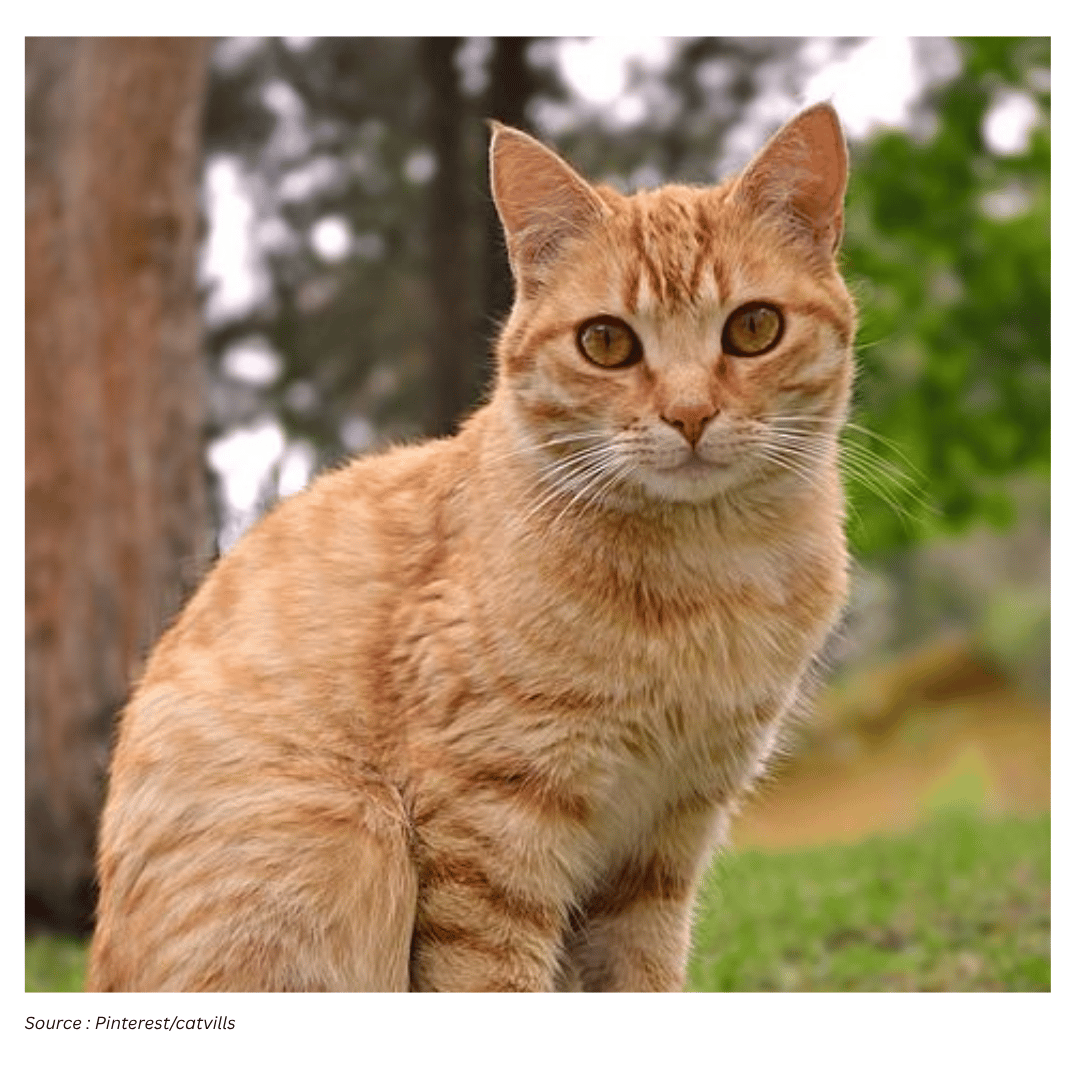
There’s No One-Size-Fits-All Pet Insurance—But Six Providers Offer Clear Strengths
Pet insurance can reduce the shock of unexpected veterinary bills, but policies vary widely in what they cover, how they handle preexisting conditions, and how quickly they pay. Here’s a practical framework for comparing plans—and what six insurers do particularly well.
Americans’ anger at insurers is bigger than health care: three regulatory reforms that could rebuild trust
Public frustration with insurers has intensified amid high-profile controversy and everyday claim disputes across health, homeowners and auto coverage. An insurance law scholar argues that the path forward is less about outrage and more about practical regulation: clearer information for consumers, minimum coverage standards and stronger remedies when companies act unreasonably.
1 / 4