
How to Find the Right Insurance for Your Trucks: Coverage Types, Benefits, and Comparison Tips
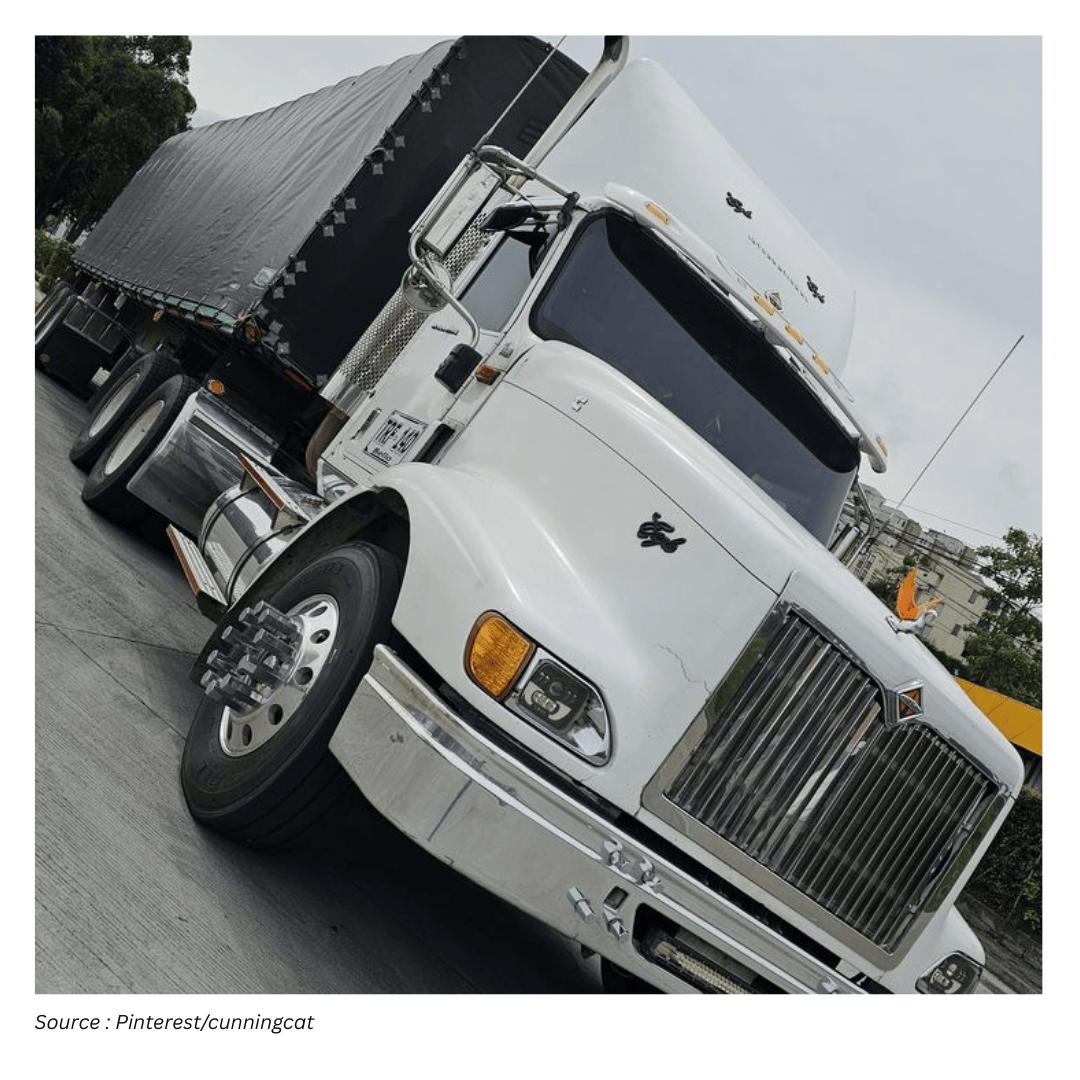
Why truck insurance matters for owners and operators
If you own or operate trucks for business—whether you run a single vehicle or manage a larger fleet—insurance is one of the most important tools you have to protect your operation. Trucks are valuable assets, and the work they do often involves exposure to risks on the road, at job sites, and during periods of downtime. The right policy can help keep your business moving when unexpected events occur.
Truck insurance is commonly referred to as commercial auto insurance or commercial vehicle insurance. It is designed for trucks used in business activities, including vehicles such as semi-trucks, delivery trucks, and dump trucks. While personal auto insurance is built around personal driving, commercial truck insurance focuses on the realities of operating a vehicle as part of a business.
In practical terms, commercial truck insurance can address several categories of risk. It may include protection for liability, physical damage, and other exposures connected with operating trucks for business. For many owners and operators, the goal is straightforward: find coverage that protects the trucks, supports legal compliance, and provides peace of mind while the business runs day to day.
What truck insurance is (and what it typically helps cover)
Truck insurance is a form of commercial insurance intended for vehicles used for work. It is often described as a “safety net” because it can respond when something goes wrong—such as an accident, damage to the truck, or an incident involving injury or property damage.
While policies can vary, truck insurance is commonly associated with three broad protection areas:
- Liability coverage, which can apply if you accidentally damage someone else’s property or if there is an injury.
- Physical damage coverage, which can help when your truck is damaged.
- Other risks linked to business operations, which may be addressed through additional coverages depending on the policy and the needs of the operation.
Because trucking work can involve multiple vehicles, different routes, and changing workloads, many owners start the process by requesting a truck insurance quote and reviewing what each option includes. Quotes are also a practical way to compare coverage and pricing across providers.
Key benefits of commercial truck insurance
Commercial truck insurance is not just a checkbox item—it can play a central role in business continuity. The benefits most often emphasized by truck owners and operators include asset protection, peace of mind, and support for legal compliance.
1) Protection for trucks, cargo, and business assets
One of the most direct benefits is protection for valuable assets. A truck is often essential to revenue generation, and interruptions can be costly. Truck insurance can help protect your truck, cargo, and other valuable belongings in situations such as accidents, theft, or other unforeseen events.
For a business that relies on vehicles to transport goods or complete deliveries, this protection can be the difference between a manageable setback and a severe disruption. Even when you have strong safety practices, the road can be unpredictable. Insurance is designed to respond when prevention is not enough.
2) Peace of mind for day-to-day operations
Operating commercial vehicles comes with a level of complexity that can weigh on owners and drivers. Having comprehensive coverage can help truck owners and operators focus more confidently on their operations. Peace of mind is not just a feeling—it can translate into clearer decision-making and a more stable approach to planning routes, scheduling work, and managing vehicles.
For businesses that are growing, peace of mind also comes from knowing that coverage can be reviewed and updated as the operation changes. Insurance is not a “set it and forget it” purchase; it works best when it evolves alongside your business.
3) Legal compliance and avoiding penalties
Commercial vehicle insurance is also important for legal compliance in many areas. In many places, it is mandatory for commercial vehicles, including trucks. Carrying the appropriate coverage can help prevent fines and penalties associated with non-compliance.
Because requirements can vary, it is important to understand what rules apply to your operation and ensure your policy aligns with those expectations. Staying compliant is not only about avoiding penalties; it also helps establish a stable foundation for long-term business operations.
Common types of truck insurance coverage
Not all trucking operations look the same, and insurance options reflect that reality. Different coverages are designed to match different vehicle types, use cases, and operating conditions. Below are three commonly discussed coverage categories that may be relevant depending on how your trucks are used.
Semi-truck insurance
Semi-truck insurance is commonly associated with large trucks that carry goods over long distances. It is often considered a core form of protection for tractor-trailers and semi-trucks that operate across regions. Because these vehicles may spend extensive time on the road and travel longer routes, the right coverage can play a key role in managing the risks that can arise during transport.
For long-haul operations, the emphasis is typically on ensuring the truck is protected from unexpected trouble on the road—helping the business maintain continuity when schedules and deliveries matter.
Bobtail insurance
Bobtail insurance is described as coverage for a truck even when it is not hauling a trailer. This can matter in the real world because trucks may spend time between loads or be driven during off-duty hours. The operational risk does not always disappear just because a trailer is not attached.
For owners and operators, bobtail coverage can help address the periods that can otherwise be overlooked—those moments when a truck is still on the road, but not actively transporting a trailer.
Container insurance
Container insurance is designed for trucks transporting shipping containers. When a truck’s work involves moving large containers, the nature of the cargo and the transport process can introduce specific considerations. Container-focused coverage is meant to provide protection while these containers are being transported as part of the trucking operation.
For businesses that handle container transport, this type of coverage can be an important part of a broader insurance approach—supporting the goal of getting cargo to its destination smoothly.
How to compare the market and find the best truck insurance for your needs
Once you understand the basics—what truck insurance is, why it matters, and the types of coverage available—the next step is choosing the best policy for your operation. “Best” is not always the cheapest option; it is the option that matches your risks, supports compliance, and fits your budget.
Below are practical steps you can use to compare options and make a more informed decision.
1) Shop around and request multiple quotes
One of the most effective ways to compare the market is to get quotes from various providers that offer commercial auto, commercial vehicle, and truck insurance. Comparing quotes helps you evaluate both coverage and pricing side by side.
When requesting a truck insurance quote, make sure you are comparing similar coverage levels. A lower price may reflect reduced protection, different limits, or exclusions. Looking at the details—not just the premium—helps ensure you are evaluating value rather than just cost.
2) Match coverage to the real risks your trucks face
Insurance works best when it reflects the realities of your operation. Consider what your trucks might face in daily use and make sure your insurance covers those exposures. Think through the kinds of work your trucks do, the environments they operate in, and the potential incidents that could disrupt your business.
As part of this process:
- Review whether the policy fits the way your trucks are used for business.
- Confirm the policy includes the types of protection you consider essential, such as liability and physical damage.
- Request quotes that reflect your actual needs so comparisons remain meaningful.
It can also be useful to keep an eye on any new rules or standards that could affect your insurance needs. Requirements can change, and staying informed helps you avoid gaps in compliance.
3) Consider working with an insurance broker
Commercial truck insurance can involve detailed terms and multiple coverage options. An insurance broker can help you navigate those details and better understand what you are buying. Brokers can also help you compare commercial auto and truck insurance options so you can focus on the most relevant coverage for your operation.
If you find the process time-consuming or confusing—or if your business has multiple vehicles and changing needs—professional guidance can make it easier to identify a policy that fits.
4) Review and update your policy as your business changes
Insurance needs can shift as your business evolves. Adding vehicles, changing routes, taking on new types of jobs, or expanding from one truck to a fleet can all affect the kind of protection you need. That is why it is important to regularly check your commercial auto and commercial vehicle insurance to ensure it stays up to date.
Periodic reviews can help you confirm that your coverage still matches your current operations. When it is time to renew or when your business changes, requesting a new truck insurance quote can help you see whether your current policy remains competitive and appropriate.
Putting it all together: choosing coverage with confidence
Truck insurance plays a central role in protecting business-use vehicles and supporting stable operations. It can help safeguard your trucks and cargo, provide peace of mind, and support legal compliance in areas where commercial coverage is mandatory.
To find the right policy, focus on the fundamentals:
- Understand the core purpose of commercial truck insurance and what it can cover.
- Identify which coverage types align with your operations, such as semi-truck, bobtail, or container-related needs.
- Compare the market by collecting multiple quotes and reviewing coverage details carefully.
- Consider expert help from an insurance broker if you want support navigating options.
- Revisit your policy regularly so it keeps pace with your business.
Ultimately, the goal is not simply to buy insurance—it is to secure the right coverage for how your trucks operate today, while leaving room to adjust as your business grows. When you shop around, compare thoughtfully, and align coverage with real-world risks, you put your trucking operation in a stronger position to handle the unexpected.